


FKM Fluororubber H-Cell Gaskets
FKM Elastomeric Gaskets for Acidic, Hydrocarbon, and Gas-Tight Electrolyte Environments
For a superior re-sealing on H-cell flange under a broad range of demanding environments
Specifications | Gallery| Related Products | Technical Support
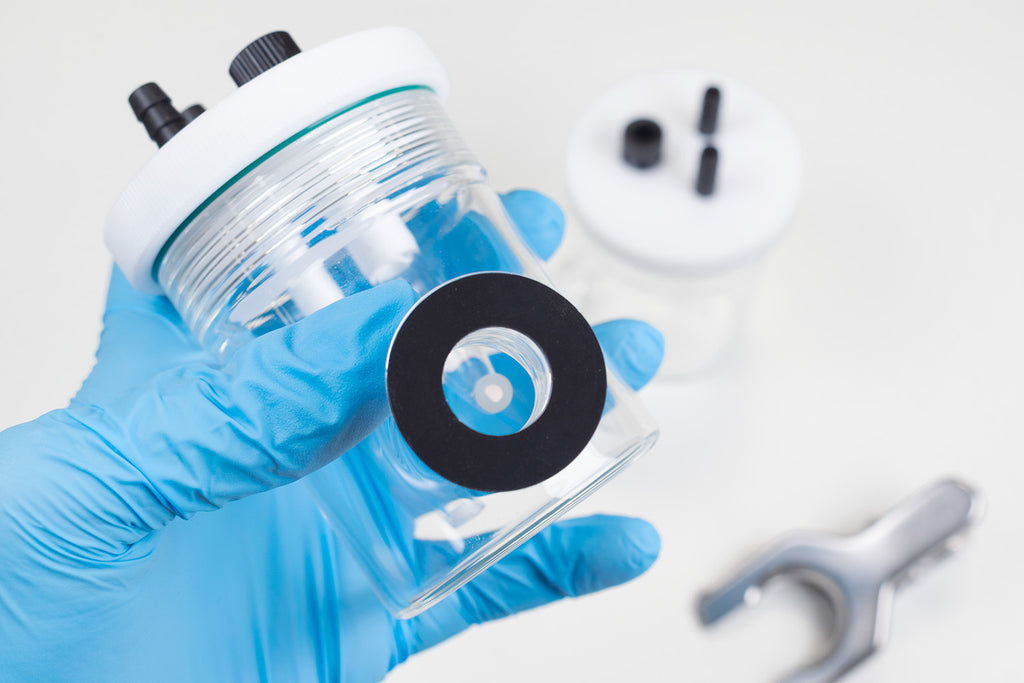
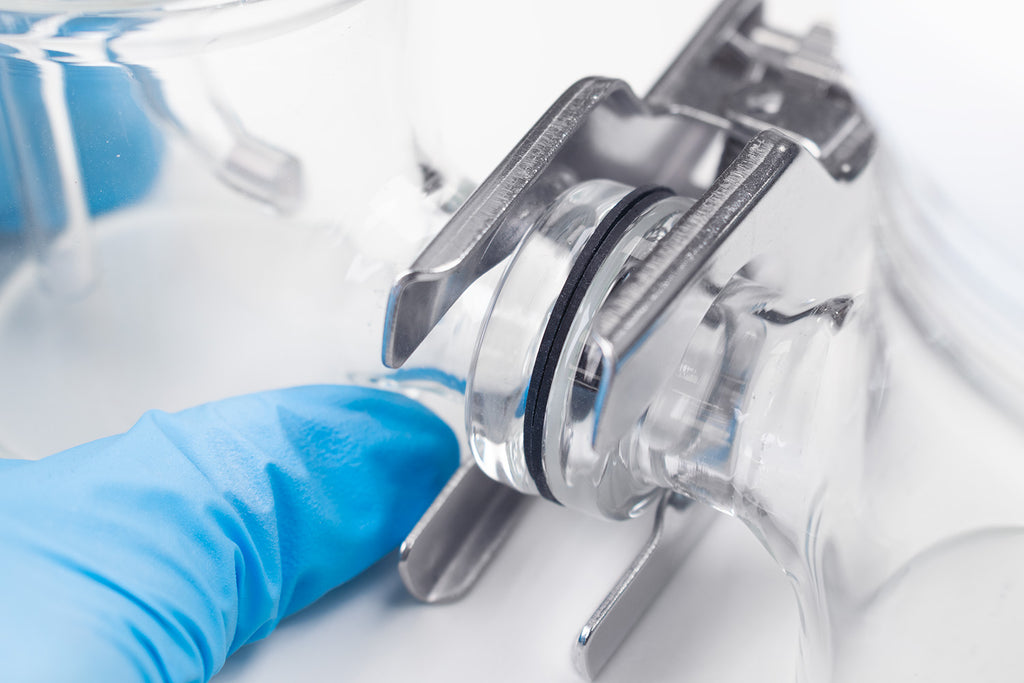
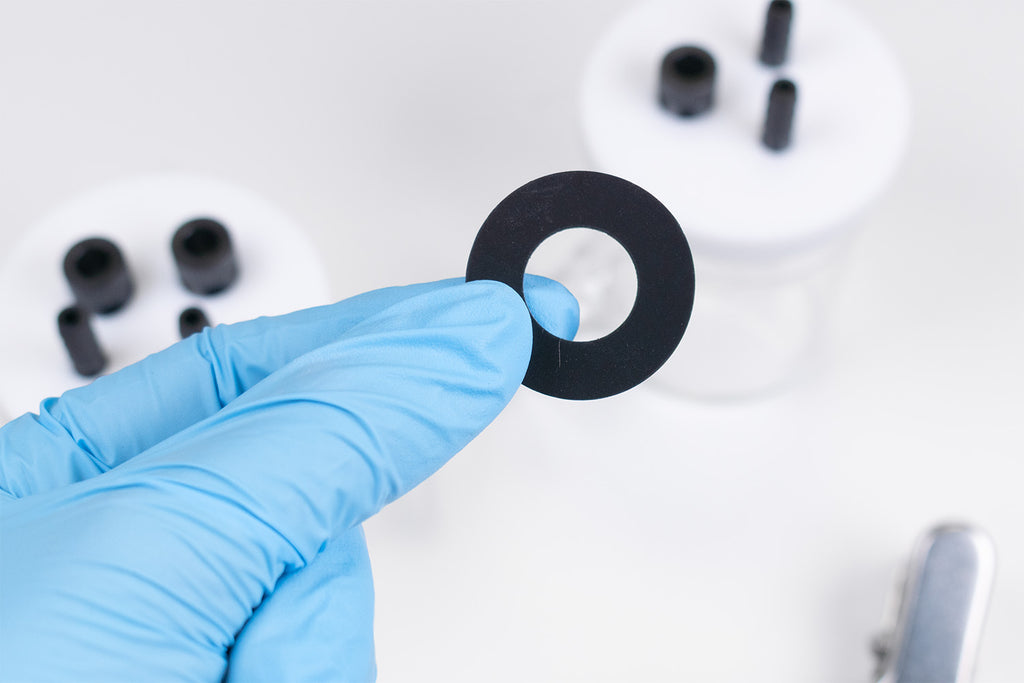
FKM fluoroelastomer gaskets provide a resilient, elastomeric seal for H-type electrochemical cells operating in acidic, hydrocarbon-exposed, or gas-tight electrolyte environments. The elastomeric structure of FKM provides a stronger compression recovery, maintaining sealing pressure and re-sealing reliably across repeated clamping cycles. It is well suited to applications needing a tight, flexible seal that standard silicone or rigid PTFE-based seals cannot provide.
With superior resistance to a broad range of chemicals, you can confidently work with strong acids, alkalis, and solvents. While concentrated mineral acids such as sulfuric, hydrochloric, or nitric acid attack the chemical structure of silicone over time, the fluorinated backbone of FKM remains stable under the same exposure. FKM also holds up well against hydrocarbons and organic solvents, fuels, aromatic oils, and chlorinated solvents, environments where silicone lacks the same chemical resistance and is more prone to swelling and losing its shape under prolonged exposure.
A further advantage over silicone is gas-tight retention. Silicone has notably high CO2 permeability, making it poorly suited to gas-tight sealing, whereas fluorinated elastomers like FKM sit at the low-permeability end of the scale. This matters directly for experiments tracking gas-evolution products, such as CO2 reduction or water electrolysis, where reduced atmospheric crossover improves the accuracy of gas quantification.

Acid Stability
Excellent resistance to strong acids like high con. nitric and sulfuric acid

Low Gas Permeability
Supports accurate gas-evolution tracking

Reliable Reusability
Strong elastomeric compression recovery supporting repeated use

Popular Size
Fits standard dual-chamber electrochemical setups
Specifications
| Material | FKM Fluororubber |
|---|---|
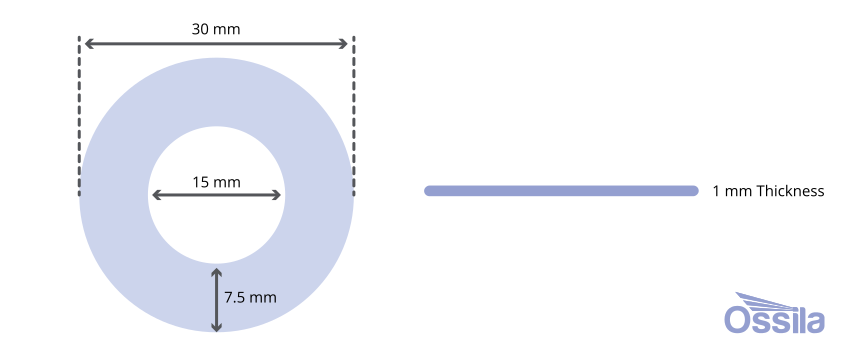
| Window Diameter | 15 mm |
| Outer Diameter | 30 mm |
| Thickness | 1.0 mm |
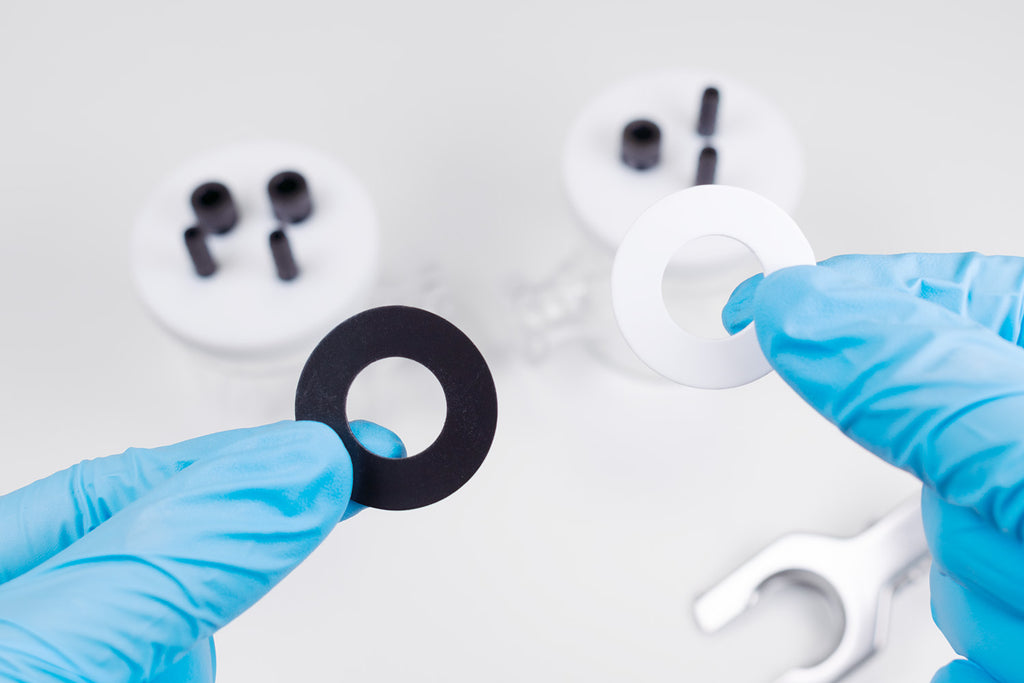
| Color | Black |
| Pack Size | 10 |
Product Gallery
Related Products
Technical Support